Charging an LFP battery: 7 habits for a battery that lasts 10+ years
Dat Bike rates the LFP batteries in the Quantum S and Era for more than 25 years. Whether yours gets there depends a lot on how you charge it every day.
Why do LFP batteries last longer?
LFP (lithium iron phosphate, LiFePO4) is a lithium battery with a very stable chemistry. Compared with the lithium batteries in phones and laptops, LFP batteries:
- Handle heat better, degrading less in a hot climate like Ho Chi Minh City’s.
- Survive more charge cycles: thousands of full charges while keeping most of their capacity.
- Are safer: thermal runaway is much less likely.
Take the Quantum S1 with 285 km per charge: even if you fully charge it twice a week, that’s only around 100 cycles a year. An LFP battery can easily serve you for many years, as long as you charge it properly.
7 good habits
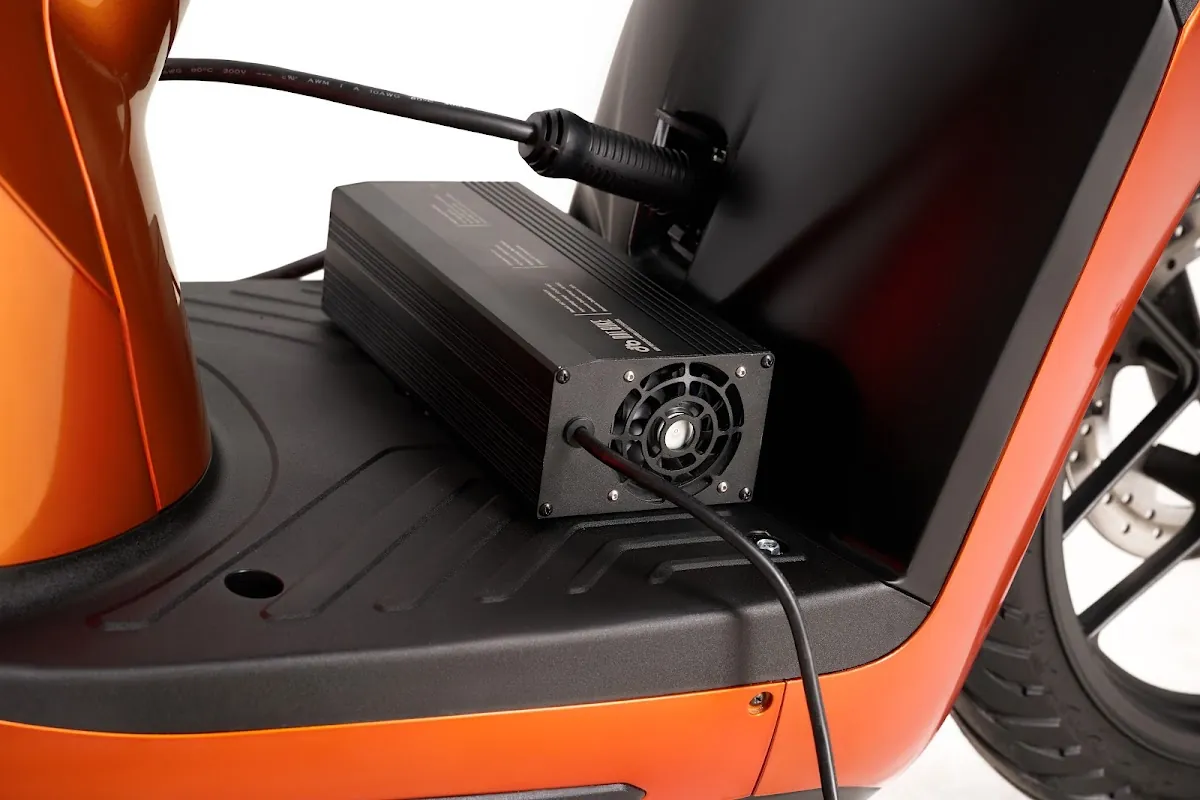
- Use the official chargerThe Dat Bike charger (or the Era’s built-in charger) is programmed with the right voltage and current for the battery. Cheap third-party chargers can overheat the battery and void your warranty.
- Charge somewhere dry and coolAvoid charging in harsh midday sun or a hot, enclosed corner. Heat is the number one enemy of every battery.
- Let the battery rest 15–30 minutes after a long rideAfter a long trip or lots of climbing, the battery is still warm. Give it a short break before plugging in.
- Charge to 100% at least once a weekUnlike phone batteries, LFP batteries don’t mind a full charge. Regular full charges also help the battery management system (BMS) balance the cells and show a more accurate battery %.
- Charge at around 20%Running it flat once in a while is fine, but don’t make 0% a habit.
- Storing the bike: keep it at 50–70%Going away for Tết or a long trip? Leave the battery at a medium level, switch the bike off, and check and top it up every few weeks.
- Regular servicing at the showroomOur technicians read the battery data, check cell health and install any new software.
3 things to avoid
- Charging through power strips or poor-quality extension cords. The 1,800W charger draws around 8A continuously for hours. Loose sockets and thin cables can melt and short-circuit.
- Opening the battery or charger, or adding extra batteries. It’s dangerous and voids your warranty.
- Charging when the port or socket is wet. After riding in the rain, dry the port and wait until it’s free of water before plugging in.
What do I need to charge at home?
No special installation, just a good 220V socket:
- A solid wall socket rated for 10A or more.
- Ideally a dedicated circuit breaker for the parking area.
- In an apartment: ask building management about EV charging in the basement. Many buildings already have metered charging points.
When should I worry about the battery?
Range per charge drops slightly over time. That’s normal for any battery. Bring the bike to the showroom if you notice:
- A clear drop in range over a short period, with no change in how you ride.
- Battery % jumping unexpectedly (e.g. from 40% straight to 10%).
- A battery error on the display or in the app.
The battery has a standard 3-year or 30,000 km warranty, extendable to 10 years with the extended battery plan. See the battery warranty policy for details.